
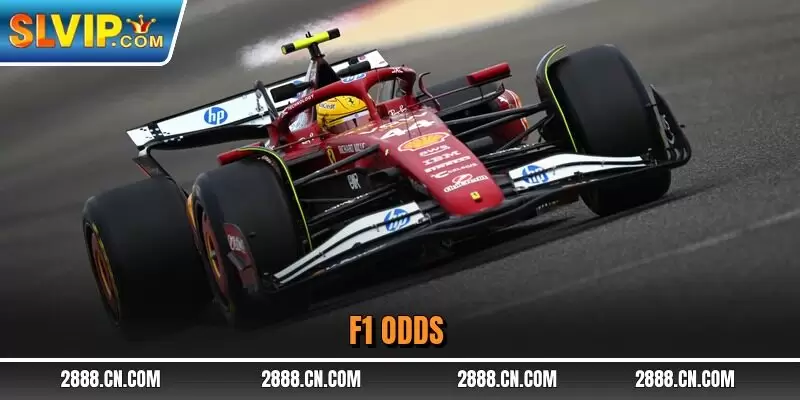
F1 odds are among the most analytically deep and technologically driven markets in sports wagering, requiring precise understanding of machine performance and driver skill. SLVIP provides real-time F1 across all Grand Prix races, from qualifying to the checkered flag, ensuring full market coverage.
Unlocking the secret power of long-shot F1 odds bets

Unlocking the secret power of long-shot F1 odds bets
The main driver of F1 odds is the technological gap between top constructors and the rest of the grid, making driver performance secondary but still important. This imbalance produces short odds for favorites, pushing sharp bettors toward niche markets like podium finishes and head-to-head matchups for value.
F1 is also highly volatile due to weather and track conditions. Sudden rain or incidents can erase a favorite’s advantage, lengthening their odds and creating in-play opportunities. SLVIP’s platform updates odds in real time, enabling bettors to act quickly on temporary market shifts.
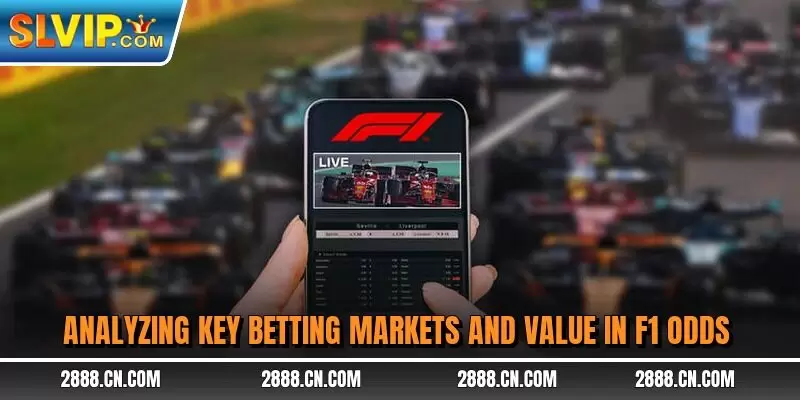
Analyzing key betting markets and value in F1 odds
Analyzing key betting markets and value in F1 odds
Successfully wagering on F1 odds requires mastery of the distinct betting formats offered for both the qualifying session (Saturday) and the main race (Sunday), each demanding specialized analysis.
Race winner (outright)
This is the primary F1 market, requiring a prediction of which driver will finish first in the main Sunday race.
- Odds Structure: Heavily biased towards 1-2 drivers (the clear favorites), often offering odds below 1.50. Value is extremely rare in this market unless a major, unannounced car issue is known.
- Strategic Focus: The best time to place this wager is early in the season or immediately following qualifying if a favorite unexpectedly starts far down the grid, slightly inflating their odds.
Podium finish (top 3)
The Podium Finish market is often more profitable than the outright winner market for odds, as it offers better odds and a wider pool of potential winners.
- Betting Pool: Wagers can be placed on any driver to finish in the top three (1st, 2nd, or 3rd).
- Strategic Value: Used to back a mid-tier driver (from the second-tier constructors) who performs well on specific, high-attrition circuits (tracks prone to crashes or technical failures), where chaos increases the likelihood of an unexpected result.
Head-to-head matchups
The Head-to-Head market is the preferred analytical tool for expert bettors in F1 odds, as it eliminates external variables and focuses purely on driver comparison.
- Prediction: Wager on which of two specified drivers will finish ahead of the other, regardless of their overall final position in the race.
- Strategic Rationale: Ideal for exploiting known team conflicts, driver rivalry, or a driver’s consistent underperformance compared to their teammate.
| Market Type | Core Prediction | Strategic Rationale | Volatility Driver |
| Race Winner | Final Position 1 | Early season futures for technological shifts. | High (Attrition, Safety Cars) |
| Podium Finish | Top 3 Finish | Exploiting mid-tier drivers on chaotic tracks. | Medium |
| Head-to-Head | Driver Comparison | Analyzing teammate performance and track specialty. | Low (Focus on 2 drivers) |
Qualifying winner and pole position
The qualifying session determines the grid starting order and is a critical, separate market in F1 odds.
- Strategic Focus: Analysis here is purely on single-lap speed, setup efficiency, and driver confidence, ignoring long-run tire degradation.
- Value: Often offers better odds than the outright race winner market because minor errors in qualifying are common, creating slight line fluctuations.
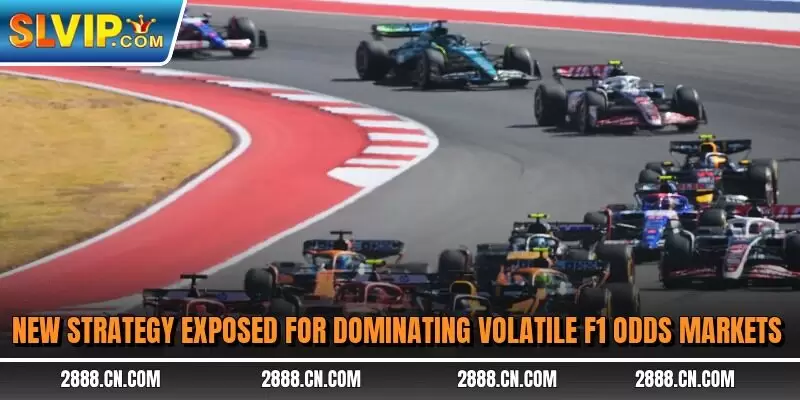
New strategy exposed for dominating volatile F1 odds markets
New strategy exposed for dominating volatile F1 odds markets
Achieving lasting success in F1 odds requires insight into vehicle performance, track specifics, and strict bankroll discipline to navigate volatility effectively.
Analyzing track-specific car performance
The tactical imperative is to meticulously analyze a team’s historical performance at the specific Grand Prix circuit. Some cars perform brilliantly on high-downforce, tight tracks (like Monaco) but struggle on high-speed, low-downforce tracks (like Monza).
The strategy dictates betting against a favorite whose car design is known to be historically weak on that specific track layout, creating an exploitable inefficiency in the pre-race F1.
Exploiting the qualifying bias
Qualifying analysis is often misleading. The tactical move is to bet against a non-favorite driver who achieved an unexpectedly high grid position (e.g., 5th place) but whose car is known for poor tire wear or low long-run pace.
Their F1 odds may shorten based on the grid position, but their race-day performance will predictably regress to the mean, offering a strong value bet against them in the Head-to-Head market.
Disciplined bankroll unit sizing
Implement a strict, fixed unit size (e.g., 1% of your bankroll) for every standard wager, treating the highly volatile race winner market conservatively.
For odds, the unit size should be highly conservative due to the unpredictable nature of safety cars and mechanical failures, which are common causes of loss. Never exceed this fixed size, regardless of perceived statistical certainty.
Strategic use of in-play safety car events
Safety Car periods, caused by crashes, neutralize the field and allow non-leading drivers to pit without losing significant time. This is a critical in-play betting moment.
The tactical advice is to bet on drivers whose F1 odds suddenly lengthen after a safety car deployment if they are known for aggressive restarts and superior tire management, exploiting the momentary line disruption.
Focusing on teammate rivalry and performance data
The Head-to-Head market offers the best analytical value. The tactical move is to bet against the driver who has consistently underperformed against their teammate over the last five races, even if that driver has a positive public narrative.
Performance metrics not media narratives should dictate your odds wager, utilizing the reliable statistical comparison of internal team data.
Capitalizing on tire degradation trends
Tire wear patterns significantly impact race outcomes, especially on circuits with high abrasive surfaces. The strategic approach is to predict when a driver’s performance will drop due to tire degradation and bet on rivals whose tires maintain pace.
This method exploits temporary fluctuations in odds caused by changing lap times and pit strategies, providing value in both pre-race and in-play markets.
Conclusion
Success in F1 odds betting comes from combining detailed technical analysis with disciplined bankroll management. Leveraging SLVIP’s real-time data, tracking track-specific trends, and focusing on value opportunities allows bettors to make informed decisions and steadily improve long-term profitability.
 Lucky 8 – Transform Your Luck With These Pro Tips
  European Bingo: Unlock Joyful Wins with Strategies!
  Pai Gow – Sneaky Tricks To Beat Every Hand At SLVIP
  Over/Under – Simple Methods To Dominate Every Match
  Unlock Success with Online Sabong Tips for SLVIP Matches
  Cover The Spread – Simple Maneuvers To Dominate Now